
GCC2026 Recap: Science, Collaboration, and Community in Clermont-Ferrand
A look back at the 2026 Galaxy Community Conference in Clermont-Ferrand, France.
On this page
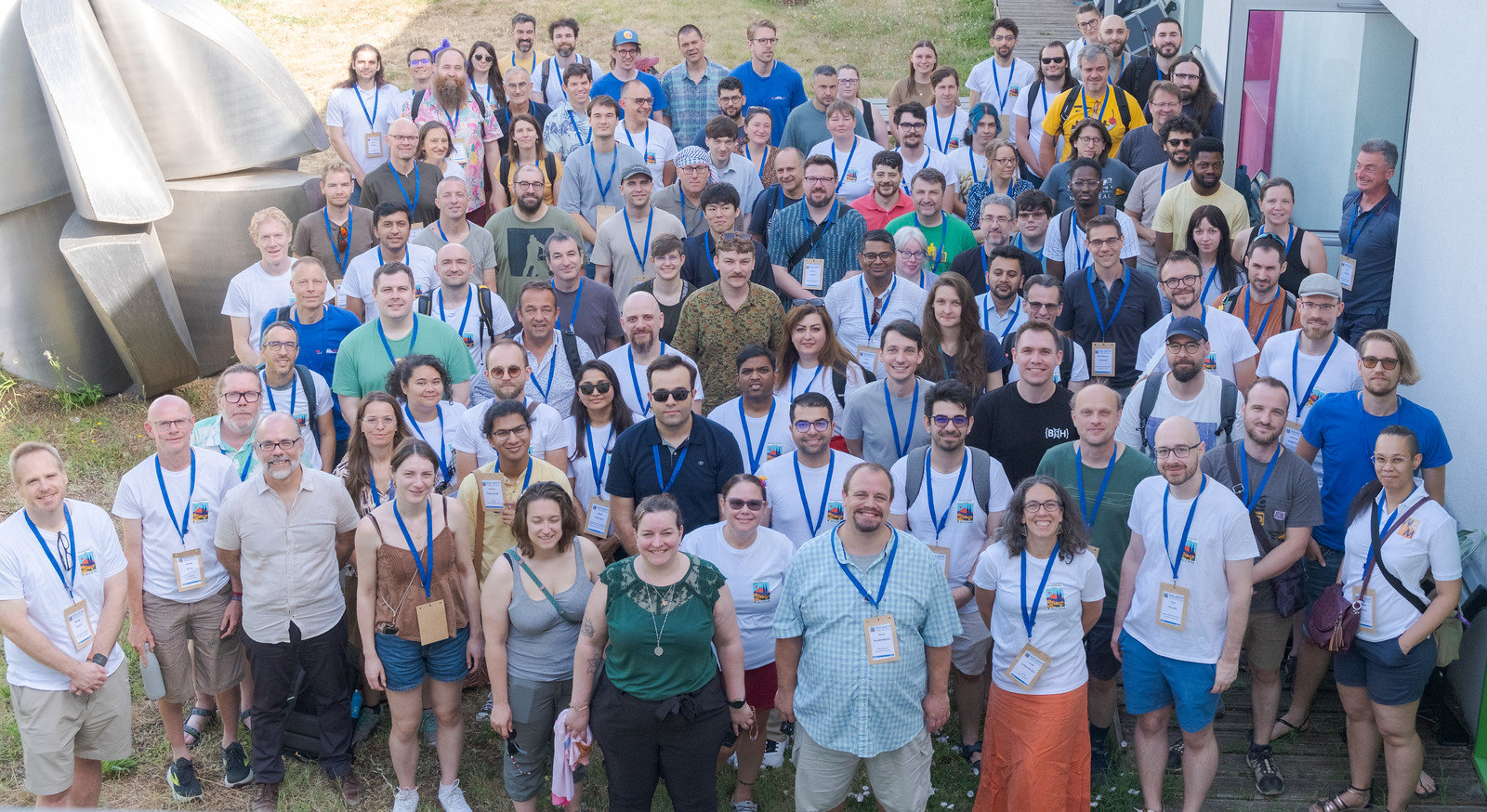
The 2026 Galaxy Community Conference brought the Galaxy community together in Clermont-Ferrand, France for a week of science, training, collaboration, and connection.
Hosted at IUT Clermont Auvergne, GCC2026 welcomed researchers, developers, educators, trainers, infrastructure providers, students, and Galaxy users from around the world. Across the main conference, training sessions, and CoFest, the week highlighted what makes Galaxy so special: open science, reproducible research, shared infrastructure, and a community that is always ready to build together.
Coming Together in Clermont-Ferrand
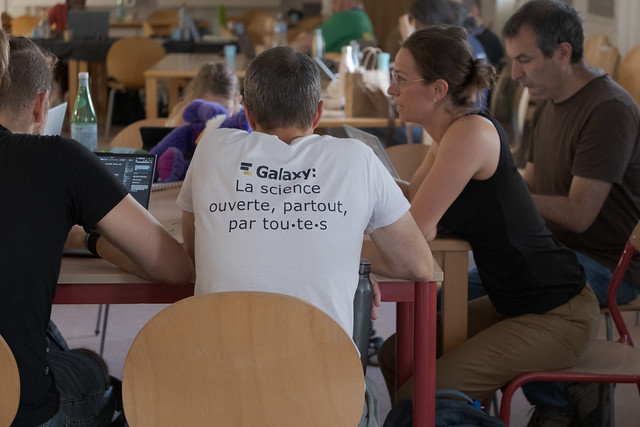
GCC2026 took place in the beautiful city of Clermont-Ferrand, surrounded by the volcanic landscape of central France. Throughout the conference, attendees had many opportunities to connect, whether during talks, poster sessions, Birds of a Feather sessions, coffee breaks, lunches, the conference dinner, or informal conversations between sessions.
The energy throughout the week reflected the strength of the Galaxy community. People came to share research, learn new skills, discuss infrastructure, explore new ideas, and find ways to contribute.
Opening the Conference
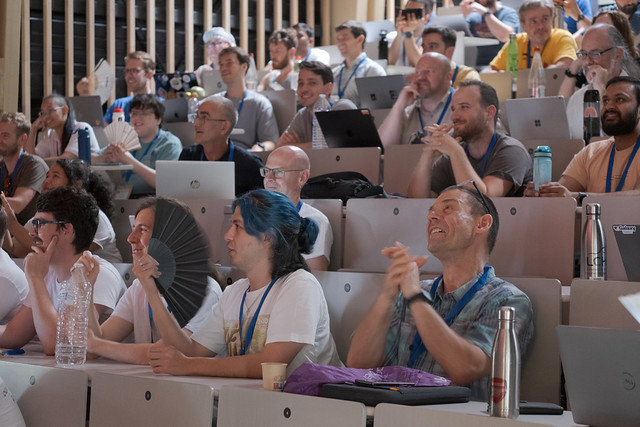
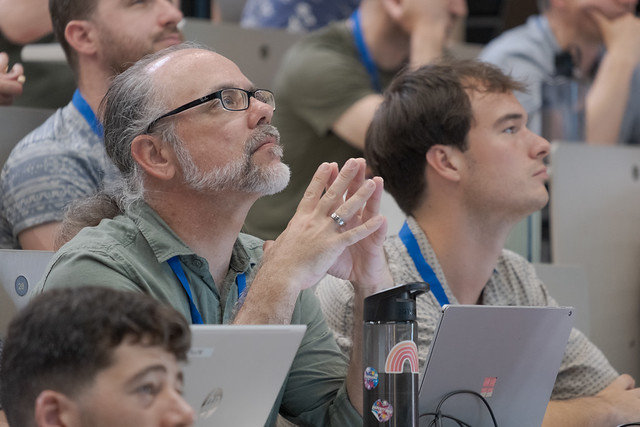
GCC2026 began on Monday, June 22 with an opening and welcome session, setting the tone for the days ahead. From the start, the conference emphasized the full range of work happening across Galaxy: platform development, infrastructure, research applications, training, community building, and future directions.
The opening morning also included an overview of Galaxy Special Interest Groups, giving attendees a chance to learn more about the many focused communities that help shape Galaxy’s development and use across scientific domains.
Galaxy Live!
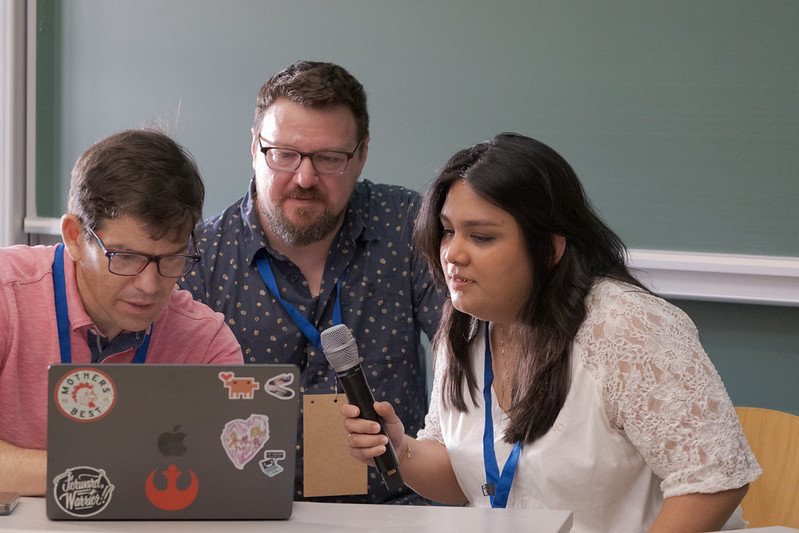
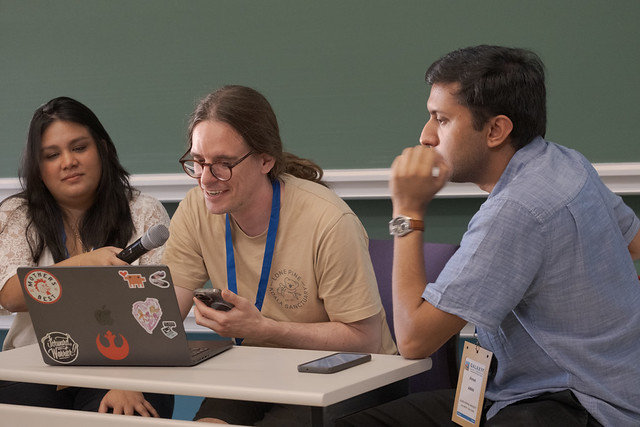
One of the first major highlights of the conference was Galaxy Live!, a favorite GCC session that brings new and emerging Galaxy features to the stage.
This session gave attendees a closer look at the continued evolution of the Galaxy platform. Instead of simply hearing about new tools and features, participants saw them demonstrated live. It was an exciting way to begin the week and a strong reminder that Galaxy is constantly growing through the ideas, needs, and contributions of its community.
Talks Across the Galaxy Ecosystem
The main conference program included seven talk sessions covering the wide range of science, infrastructure, and community work happening across the Galaxy ecosystem.
On Monday, the program began with sessions focused on Galaxy framework and platform direction, followed by infrastructure, federation, and service operations. Later that day, talks turned toward communities, provenance, and cross-domain expansion.
On Tuesday, the keynote opened the day, followed by sessions on FAIR data analysis workflows and public health applications, then tool integration and method development. Tuesday also included lightning talks, a second poster session with ELIXIR virtual posters, the ELIXIR Face-to-Face meeting, and ended with the conference dinner.
On Wednesday, the program continued with the Galaxy Community Update; talks on AI, workflows, and guided analysis; a fishbowl discussion; talks on community platforms, mature ecosystems, and field reports; Galaxy in Research and closing remarks; and additional Birds of a Feather sessions.
Together, these sessions showed how Galaxy supports research and infrastructure at many scales, from individual analyses and training environments to large, collaborative, international projects.
Keynote Highlight: Rayan Chikhi
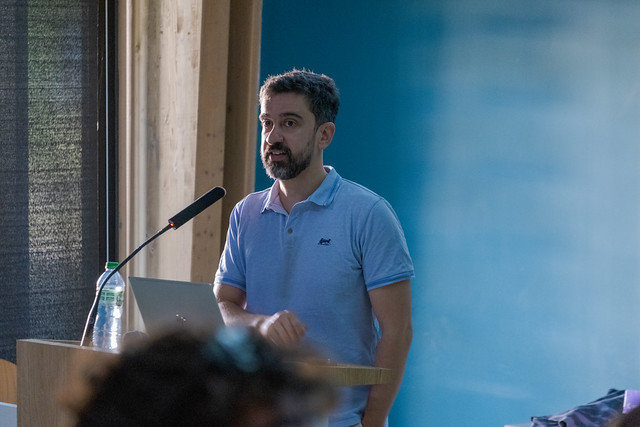
A major highlight of GCC2026 was the keynote from Rayan Chikhi of Institut Pasteur, titled “Assembling and exploring the world’s sequencing data for biological discovery.”
The talk focused on the challenge of working with massive public sequencing datasets and the discoveries that become possible when those data can be assembled, indexed, searched, and explored at scale. Projects such as Logan and Serratus show how large-scale sequencing data can help uncover new biological insights, including discoveries related to viruses and enzymes.
The keynote was a powerful example of the kind of ambitious, data-intensive science that Galaxy helps make more accessible, reproducible, and collaborative.
Posters, Demos, and Lightning Talks
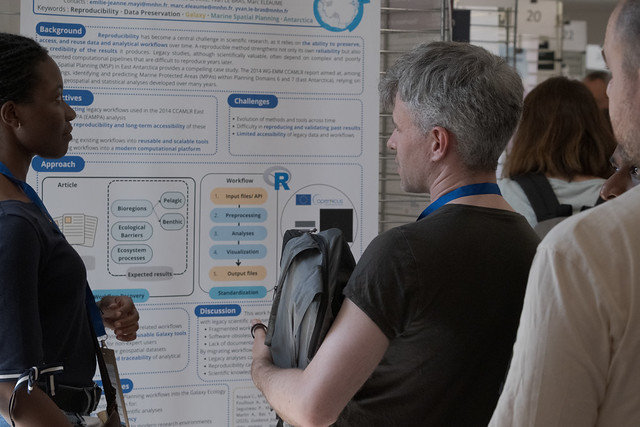
Posters, demos, and lightning talks gave attendees the opportunity to share projects, tools, workflows, research results, and community initiatives in a more interactive format.
The poster sessions took place on Monday and Tuesday, filling the corridors with conversations across disciplines and career stages. Tuesday’s poster session also included ELIXIR virtual posters, creating another opportunity to connect across projects and communities.
Lightning talks gave speakers a quick way to introduce ideas, highlight work in progress, and invite follow-up discussion. Together, the posters, demos, and lightning talks added energy and variety to the conference program.
Birds of a Feather Sessions and Community Discussion
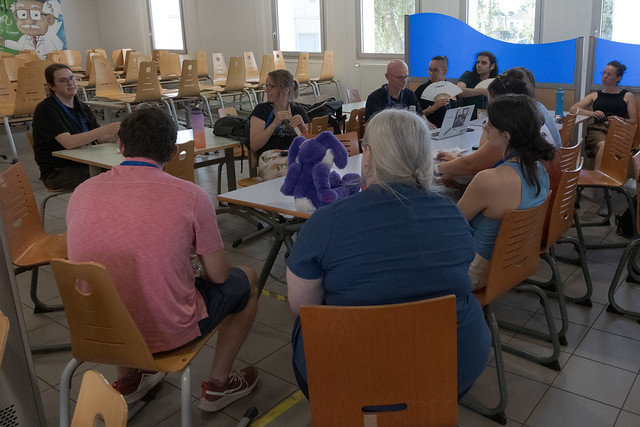
Birds of a Feather sessions created space for focused conversations around shared interests, current challenges, and future directions. These sessions gave attendees a chance to gather in smaller groups, exchange ideas, and identify opportunities for collaboration.
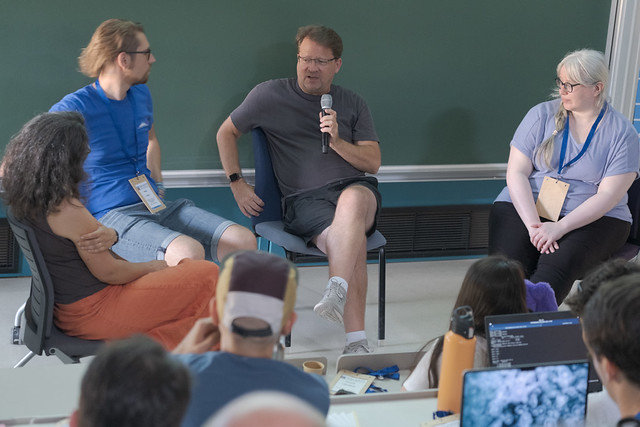
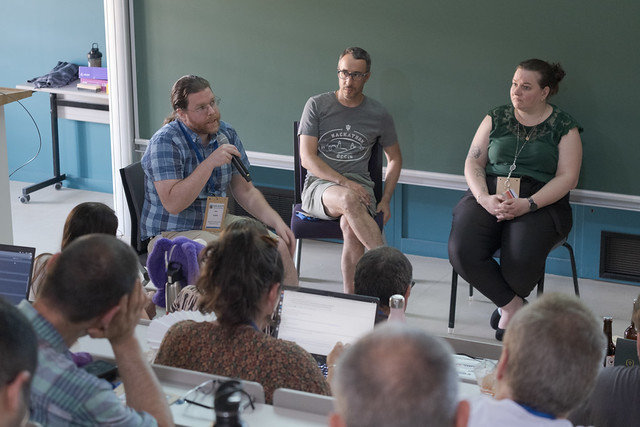
GCC2026 also included a fishbowl-style community discussion on Wednesday. This format created an open space for attendees to discuss big-picture topics facing Galaxy and data-intensive research. These discussion-centered sessions reflected one of the most important parts of GCC: the opportunity to think together as a community.
Conference Dinner
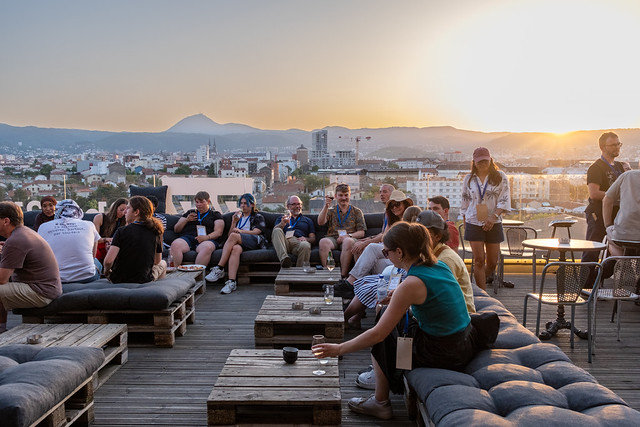
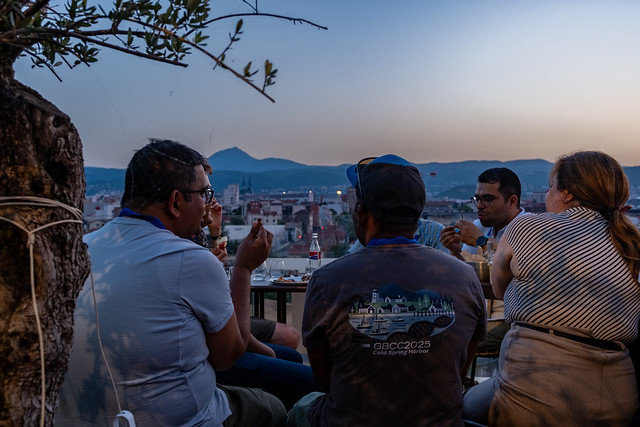
Tuesday evening brought the community together for the official conference dinner at Le Roof des Volcans in Clermont-Ferrand.
The dinner was a chance to relax, celebrate, and continue conversations outside the formal conference setting. These shared social moments are always an important part of GCC, helping new collaborations form and giving longtime community members time to reconnect.
Galaxy Community Update
Wednesday morning opened with the Galaxy Community Update, providing a broad look at the current state of the Galaxy ecosystem and where the project is headed next.
This session highlighted progress across the platform, community, training, infrastructure, governance, and partnerships. For longtime community members, it was a chance to see how much has changed. For newer participants, it offered a helpful overview of how many people, projects, and institutions contribute to Galaxy’s continued growth.
The update made one thing clear: Galaxy’s strength comes from both its technology and its people.
Galaxy in Research
The Galaxy in Research session highlighted the real science supported by Galaxy. This session showcased Galaxy’s global research impact and focused on research projects where Galaxy played an important role in enabling reproducible, accessible, and scalable analysis. It was a reminder that Galaxy is more than a platform. It is research infrastructure that supports discovery, collaboration, and transparent science across many fields.
Closing the Main Conference
The main conference closed on Wednesday afternoon, followed by additional Birds of a Feather sessions.
After three full days of talks, posters, demos, community updates, discussions, and networking, the closing session gave attendees a chance to reflect on the week and look ahead to the continued work of the Galaxy community.
Supporting New and Emerging Community Members
GCC2026 also celebrated fellowship and scholarship awardees who joined the conference with support from the JJ Fund, JXTX Foundation, the Galaxy Community Fund, and GTA2026 scholarships.
These awards helped students, early-career researchers, new Galaxy users, and community members participate in GCC2026. Supporting new voices is an important part of building a strong and welcoming Galaxy community.
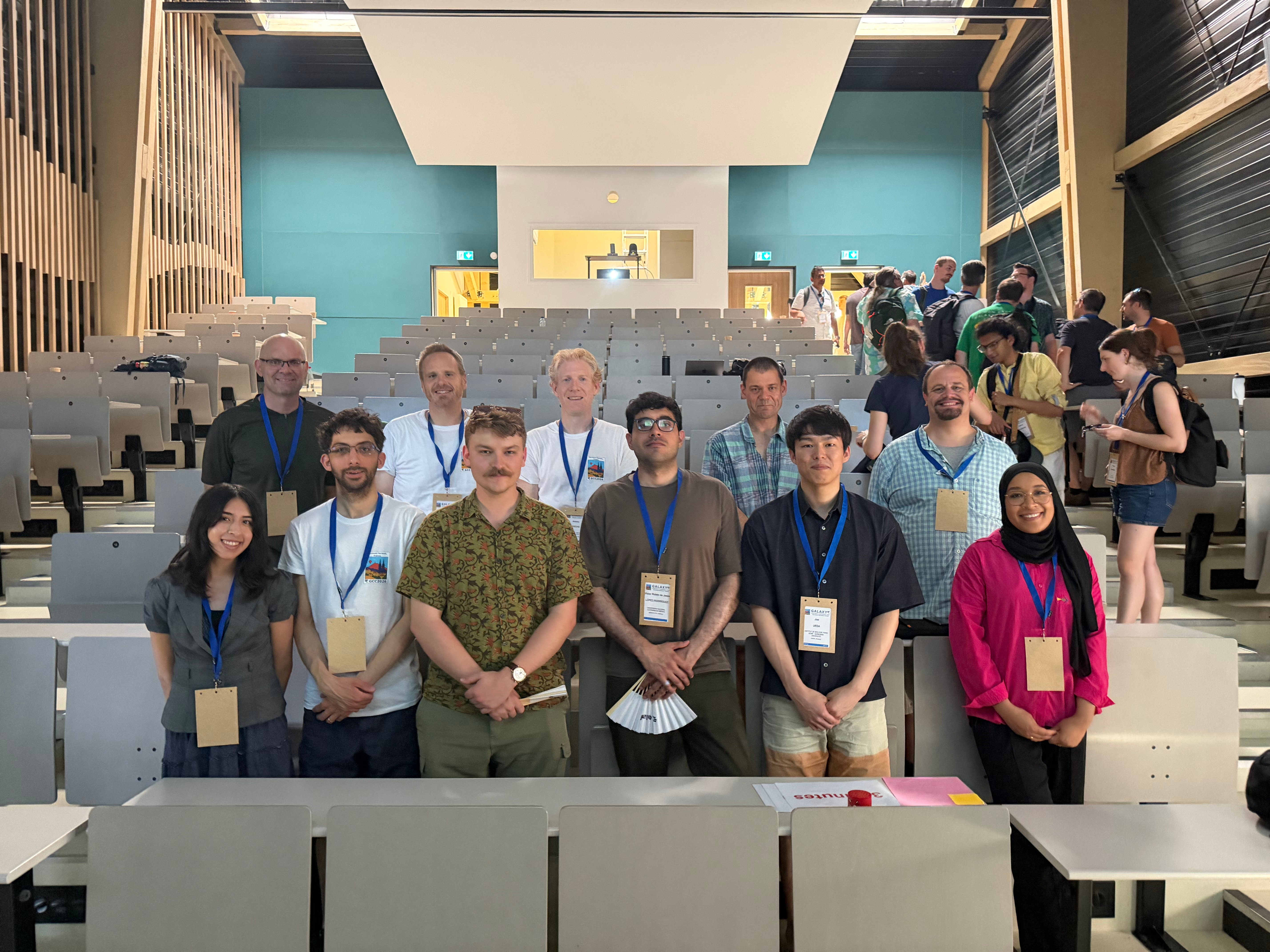
By helping more people attend, learn, contribute, and connect, the fellowship and scholarship programs continue to strengthen the future of Galaxy.
Please see the GCC2026 website to view all the fellowship and scholarship awardees for this year’s conference.
Training
After the main conference, GCC2026 continued with two days of training on Thursday, June 25 and Friday, June 26.
The training program gave participants hands-on opportunities to build skills and explore Galaxy topics in depth. Day 1 included New and Experienced User Walkthroughs, Tool Wrapping, and Getting Ready for Galaxy Development in CoFest. Day 2 included Developers Do Bioinformatics, Earth Science and Ecology, and Machine Learning for Genomics.
These sessions gave attendees the chance to learn directly from experts, try new approaches, and leave the conference with practical skills they could bring back to their own work.
CoFest
In parallel with training, GCC2026 also hosted two afternoons of CoFest.
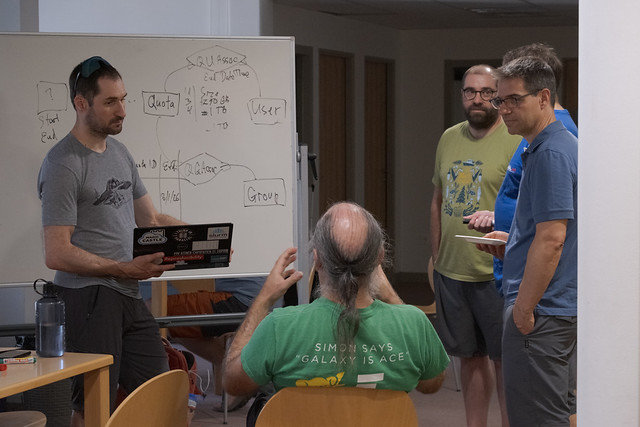
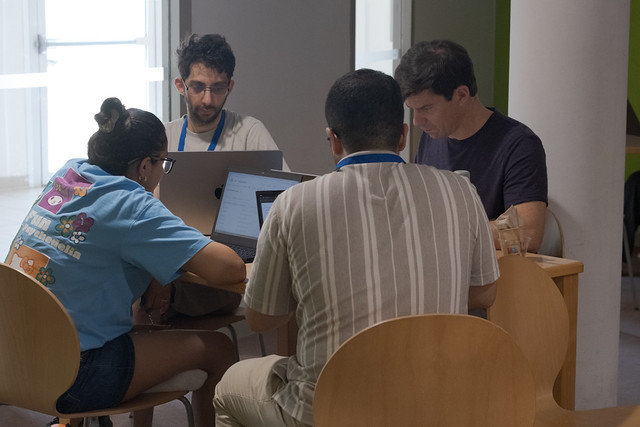
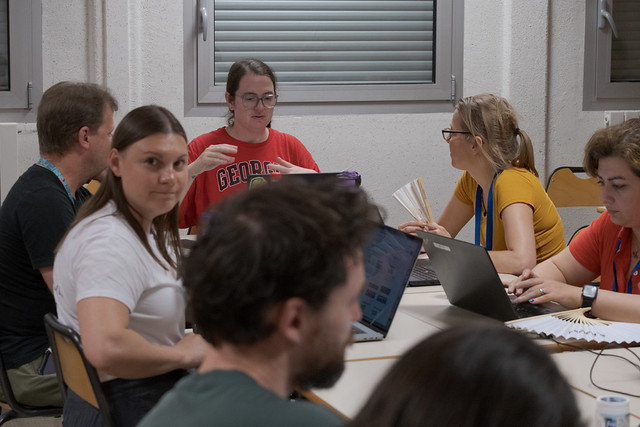
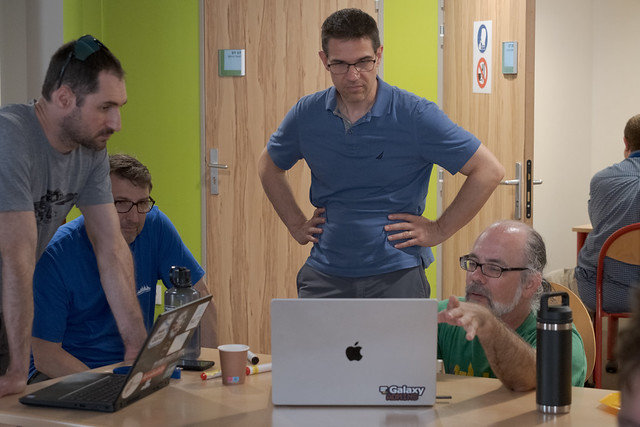
CoFest brought contributors together to work on Galaxy projects in a collaborative setting. Participants worked across the Galaxy ecosystem, including tools, workflows, user experience, the core platform, training materials, documentation, and community projects.
These sessions captured one of the best parts of Galaxy: learning by doing, contributing in the open, and building together.
Thank You to Our Sponsors
GCC2026 would not have been possible without the support of our sponsors.
Thank you to our Silver Sponsors, Data Terra and PNDB, for supporting the conference and the Galaxy community.
Thank you to our Bronze Sponsors, GalaxyWorks, IFB, de.NBI, and Limagrain, for helping make GCC2026 possible.
Thank you also to SFBI, our Friend of GCC sponsor, for supporting the event.
Sponsorship helps sustain the conference, support participation, and strengthen the broader Galaxy ecosystem. We are grateful to all of our sponsors for investing in open, accessible, reproducible, and community-driven science.
Thank You to the GCC2026 Organizers
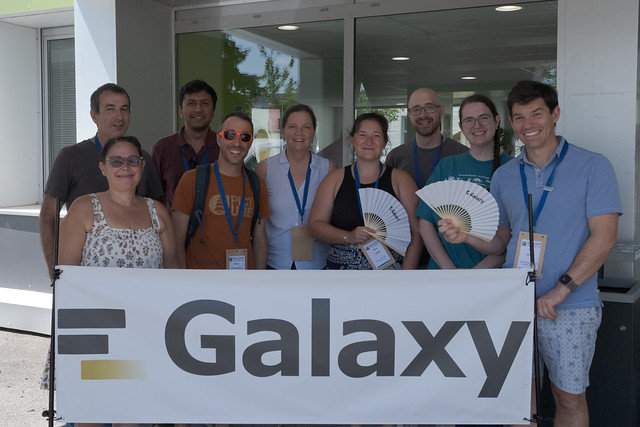
A special thank you goes to the GCC2026 Organizing Committee, whose planning, coordination, and behind-the-scenes work made the conference possible.
Thank you to the GCC2026 Organizing Committee: Bérénice Batut, Jenn Vessio, Ahmed Awan, Anthony Bretaudeau, Enis Afgan, Gildas Le Corguillé, Natalie Whitaker-Allen, Tyler Collins, and Marie Jossé, for helping guide GCC2026 from planning through the conference week.
We are also grateful to the GCC2026 Scientific Program Committee, chaired by Enis Afgan, for shaping the scientific program, supporting the abstract review process, and helping create such a strong and engaging conference schedule.
Thank you to committee members Daniela Schneider, Hans-Rudolf Hotz, Helge Hecht, Leonid Kostrykin, Marie Jossé, Mohammad Saeed Tajdary, Oriana Barros, Pavan Videm, Pratik Jagtap, Sunita Sharma, Wolfgang Maier, and Yvan Le Bras for their time, expertise, and contributions to the program.
GCC2026 was a true community effort, and we are deeply grateful to everyone who helped make the week run smoothly.
Thank You to Our Hosts, Speakers, Volunteers, and Participants
Thank you to our hosts at Université Clermont Auvergne and the Institut Français de Bioinformatique / ELIXIR-France for welcoming the Galaxy community to Clermont-Ferrand.
Thank you to the instructors, speakers, poster presenters, demo presenters, session chairs, volunteers, and everyone who helped make the week run smoothly.
Most importantly, thank you to every participant who brought their ideas, questions, projects, enthusiasm, and generosity to GCC2026. Galaxy is built by the people who show up, contribute, teach, ask, listen, build, and share.
Looking Ahead to GCC2027
GCC2026 was a week of new ideas, meaningful conversations, exciting science, and hands-on collaboration.
From platform innovation and AI-enabled analysis to training, infrastructure, FAIR workflows, public health, ecology, machine learning, and global community building, GCC2026 showed the continued power of Galaxy as a platform for open and reproducible science.
Thank you to everyone who joined us in Clermont-Ferrand and online. We are grateful to be part of this community, and we are excited for what comes next.
Next year, we look forward to gathering again for GCC2027 in Montréal, Canada!
See you in Montréal!
Photo Credit
Thank you to Bérénice Batut for capturing and sharing photos from GCC2026. Photos in this post are by Bérénice Batut and are shared under a CC BY-SA license.